
Cameroon Wild Life
Welcome to a Place Where Wildlife Still Has a Chance
We are based in Mvog-Betsi, Yaoundé, and Limbe, working between city awareness and field reality. We are not distant observers. We are involved in what is happening on the ground—where animals are lost, found, rescued, or sometimes not reached in time.
What This Work Really Means
Animal protection is often spoken about like it is a concept. Here, it is not.
It is early mornings responding to calls about injured animals.
It is working with local people who have seen wildlife disappear from areas they grew up in.
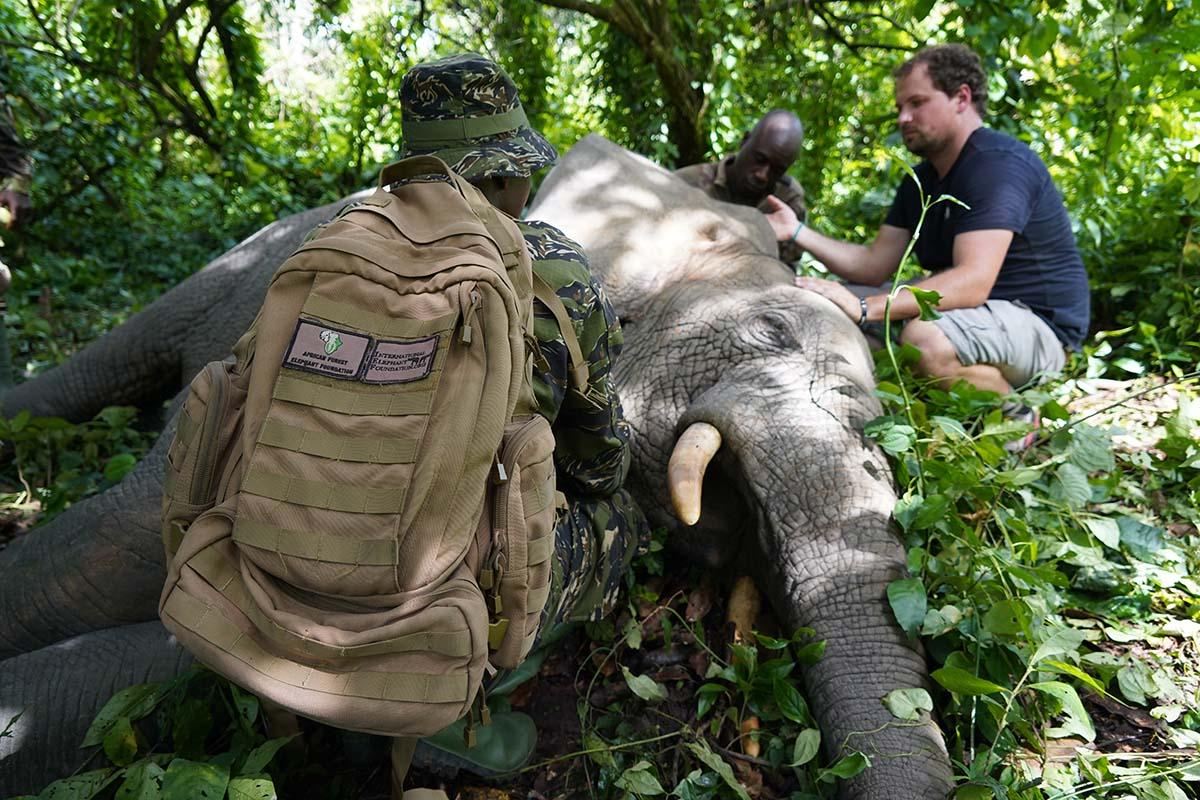
It is witnessing animals arrive weak, scared, and disoriented—then slowly recover in safe environments.
In many cases, the animals we encounter are not just “wildlife.” They are survivors of:
- Illegal hunting
- Trafficking networks
- Habitat destruction
- Human expansion into forest zones
There is a pattern to it. Forests shrink. Animals move closer to humans. Conflict increases. And slowly, species begin to disappear—not suddenly, but quietly.


Why Protection Matters Here in Cameroon
Cameroon holds one of the richest ecosystems in Africa. That is not just something to be proud of—it is something under pressure.
Animals here are not just part of nature. They are part of how the environment stays stable. Forest elephants open pathways in dense vegetation. Primates help regenerate forests by spreading seeds. Remove them, and the system begins to weaken.
The danger is not only extinction. It is imbalance.
Once certain species disappear:
- Forest regeneration slows down
- Other animal populations become unstable
- Human communities feel the environmental effects
This is already starting to happen in some regions.


What We Actually Do
Our work is continuous and often unpredictable.
We receive information—sometimes from locals, sometimes from partners—about animals in danger. That could mean an injured animal, a confiscated animal from illegal trade, or one found in a place it cannot survive.
From there:
- We assess the situation
- Coordinate safe transport if needed
- Work with wildlife centers for rehabilitation
- Follow up to ensure long-term safety
Not every case is successful. That is the reality of this work. But many are—and those are the ones that keep the mission moving forward.
Alongside rescue, we spend time on awareness. Because without changing how people see wildlife, the cycle continues.

Partnerships: Working With Wildlife Centers and Zoos
A large part of what happens after rescue depends on strong partnerships.
In Yaoundé and Limbe, wildlife centers play a critical role. These are places where animals are not displayed for entertainment—they are cared for, treated, and given a second chance.
When animals arrive at these centers, they often need time:
- Time to heal physically
- Time to adjust to safe surroundings
- Time to recover from trauma
Some will never return to the wild. But they will live. And in many cases, they help educate visitors about what is really happening beyond the city.
This connection between field work and rehabilitation is what makes long-term protection possible.
What We Keep Seeing
There is something that becomes clear after working in this space for a while.
The problem is not only poaching. It is not only deforestation. It is not only lack of awareness.
It is all of it combined.
A forest is cut down → animals move → people see them as threats → they are killed or captured → numbers drop → ecosystems shift.
It does not happen in one moment. It happens gradually, and that is why it is often ignored.
But when you start paying attention, the pattern is obvious.
Where This Is Happening
Our presence in Mvog-Betsi (Yaoundé) allows us to connect with people, institutions, and awareness channels.
Our connection to Limbe places us closer to wildlife centers and active conservation zones.
This combination matters. Because awareness without action does little—and action without awareness does not last.
What This Platform Stands For
This is not a project built for attention. It is built because the situation requires it.
It stands for:
- Taking responsibility where possible
- Acting when action is needed
- Making information visible, not hidden
- Supporting systems that protect wildlife
It is ongoing work. There is no finish line.
Mini Gallery



If You Are Here, You Are Already Part of It
Most people do not see what happens to wildlife. If you are on this platform, you are already closer than most.
What you do next matters.
You can ignore it.
Or you can stay, learn, share, and support.
Because the truth is simple:
Wildlife in Cameroon is still here.
But not guaranteed to remain.